

Video has become an important way for brands to explain their products, communicate their values, and connect with potential customers. From short social media videos to product demonstrations, the right format can help businesses answer questions, build trust, and guide customers toward a purchase.
However, creating videos without a clear objective can waste time and resources. Businesses need to choose formats that match their audience, products, and marketing goals.
Whether you run an ecommerce store, a startup, or an established business, understanding the different types of video marketing can help you create more effective campaigns.
In this guide, we explore nine video marketing formats, explain when to use each one, and share practical ideas for brands looking to strengthen their digital presence.

“Don’t just sell a product — create an experience worth watching.”
What Is Video Marketing?
Video marketing is the use of video content to promote a brand, product, service, or business. Videos can appear on websites, product pages, social media platforms, advertising campaigns, and other digital channels.
A video marketing strategy helps businesses decide what to create, who should see it, where to publish it, and what action viewers should take.
For example, an ecommerce brand might use product demonstrations to explain features, customer videos to build trust, and short promotional videos to introduce a new collection.
The objective is not simply to gain views. It is to deliver useful information, communicate a consistent brand message, and support business goals.
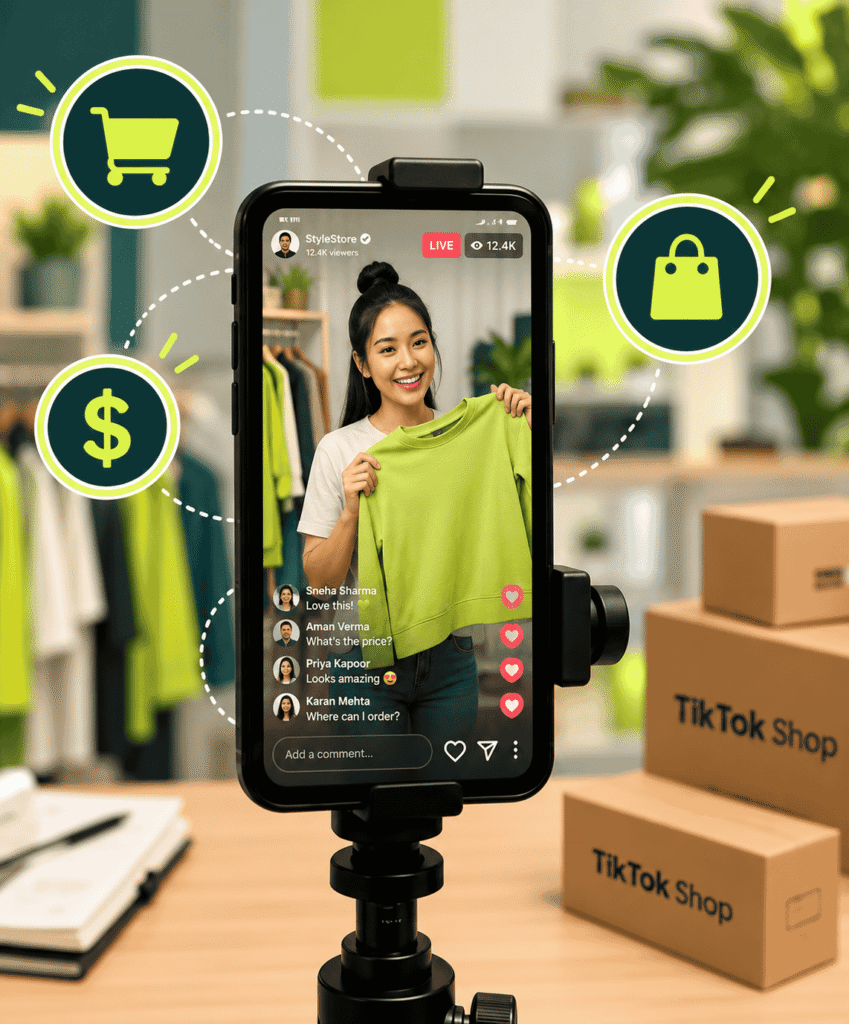
“Video commerce transforms viewers into buyers with just one click.”
9 Types of Video Marketing
1. Product Demonstration Videos
Product demonstration videos show how a product works, highlight its features, and explain its benefits.
They are particularly useful when customers need more information before making a purchase.
Example: A skincare brand could demonstrate how to apply a product, explain its intended use, and show its packaging and texture.
Best for: Ecommerce brands, product launches, and product pages.
2. Product Comparison Videos
Comparison videos help customers evaluate two or more products based on features, pricing, use cases, or other relevant differences.
This format can be valuable when customers are comparing alternatives before purchasing.
Example: An electronics store could compare two headphones by explaining their battery life, comfort, and connectivity.
Best for: Consideration-stage customers and products with multiple options.
Keep comparisons accurate, balanced, and based on verifiable product information.
3. Short-Form Social Media Videos
Short-form videos deliver a message quickly through platforms such as Instagram Reels, YouTube Shorts, and TikTok.
They can introduce a product, share a useful tip, highlight a customer problem, or promote an offer.
Example: A fashion brand could create a short video showing different ways to style a new collection.
Best for: Brand awareness, product discovery, and social media engagement.
Start with a clear hook, communicate one main idea, and include a relevant call-to-action where appropriate.
4. Long-Form Educational Videos
Long-form videos allow businesses to explain complex topics in greater detail. Common formats include tutorials, expert discussions, product walkthroughs, and educational presentations.
Example: A Shopify store could publish a tutorial explaining how customers can choose the right product for their needs.
Best for: Education, product research, and building subject-matter credibility.
Focus on answering genuine customer questions rather than extending the video unnecessarily.
5. User-Generated Content Videos
User-generated content (UGC) videos are created by customers or users rather than produced entirely by the brand. They may include product reviews, unboxing videos, or demonstrations showing a product in everyday use.
Example: An ecommerce business could share a customer’s genuine experience with a product, with appropriate permission.
Best for: Social proof, customer confidence, and product discovery.
Always obtain permission before using customer content, and disclose paid or incentivized endorsements when required.
6. Influencer and Creator Videos
Influencer videos involve collaborations with creators whose audience may be relevant to a brand’s target market.
Depending on the agreement, a creator might demonstrate a product, explain its benefits, or share their experience with it.
Example: A fitness brand could partner with a relevant creator to demonstrate how its products fit into a workout routine.
Best for: Reaching relevant audiences and introducing products through creator-led content.
Choose creators based on audience relevance, credibility, content quality, and campaign objectives—not just follower count.
7. Behind-the-Scenes Videos
Behind-the-scenes videos show the people, processes, and activities that make a business work. They can feature product development, packaging, team introductions, or preparation for a launch.
Example: A small business could show how an order is packed and prepared for delivery.
Best for: Brand personality, transparency, and community engagement.
These videos help audiences understand the business beyond its products or services.
8. Brand Story Videos
Brand story videos communicate a business’s purpose, background, values, and the problem it aims to solve.
They help create a consistent identity across websites, social media, and marketing campaigns.
Example: A founder could explain why the company was established, who it serves, and what makes its approach different.
Best for: Brand positioning, differentiation, and communicating business values.
For businesses investing in branding for ecommerce, a clear brand story can help connect product benefits with the identity and values behind the business.
9. Live Shopping and Live Demonstrations
Live video allows brands to demonstrate products and interact with viewers in real time. Depending on the platform, viewers may ask questions, request demonstrations, or access a purchase link during the session.
Example: An apparel brand could host a live collection showcase and answer questions about sizes, materials, and product availability.
Best for: Product demonstrations, audience interaction, and launch events.
Prepare key talking points, test the technical setup, and make the next step clear for interested viewers.
How to Choose the Right Type of Video Marketing
The most effective format depends on what your business wants to achieve.
Marketing Goal | Suitable Video Format |
Increase brand awareness | Short-form videos and brand stories |
Explain product features | Product demonstrations |
Help customers compare options | Comparison videos |
Build customer confidence | Genuine customer videos |
Share expertise | Educational videos |
Show business values | Behind-the-scenes videos |
Introduce products through creators | Influencer videos |
Answer questions in real time | Live demonstrations |
Start with one or two formats that match your current objectives. Review the results before expanding your content production.
Tips for Creating Effective Marketing Videos
Use these practices to make your video marketing more purposeful.
- Define one objective: Decide whether the video should educate, introduce a product, generate enquiries, or support sales.
- Understand your audience: Address the questions, concerns, and needs of your intended customers.
- Keep branding consistent: Use consistent messaging, colours, visual identity, and tone.
- Optimize for mobile: Ensure text is readable, the main subject is visible, and the opening seconds communicate the topic clearly.
- Add captions: Captions can make videos easier to follow when viewers watch without sound.
- Use a clear call-to-action: Tell viewers whether they should explore a product, visit a page, or contact your business.
- Measure meaningful results: Review watch time, audience retention, clicks, enquiries, and sales where relevant.
Video performance should be evaluated against the purpose of each campaign. A video designed to educate customers may serve a different role from one intended to generate immediate sales.
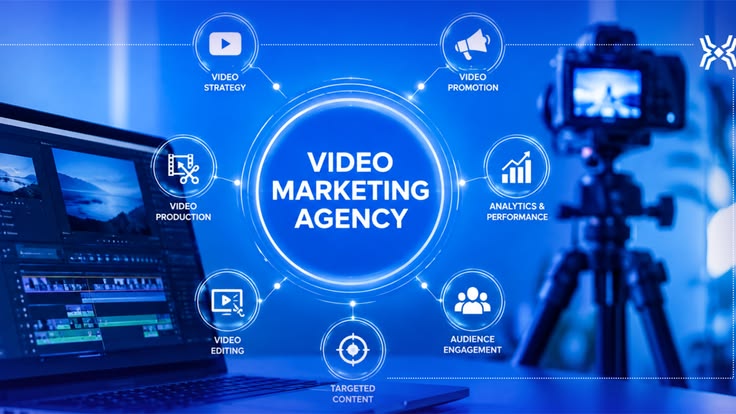
How Video Marketing Supports Ecommerce and Business Growth
Video should be part of a wider marketing strategy rather than an isolated activity.
For ecommerce businesses, product videos can complement product descriptions, website design, paid advertising, and social media content. Together, these elements can provide customers with a more consistent experience.
Businesses exploring strategies for ecommerce should consider where video fits within the customer journey—from discovering a brand to evaluating products and completing a purchase.
For local businesses, video can also support digital marketing in Mohali and Chandigarh when the content addresses relevant customer needs. A coordinated approach to branding, website experience, social media marketing, and advertising can help businesses communicate their value more clearly.
If you are comparing a digital marketing company in Mohali, a social media marketing agency in Mohali, or a provider of PPC services in Mohali, look for a strategy that connects content with measurable business objectives. Video alone cannot guarantee sales or brand growth; results depend on the offer, audience, execution, and overall customer experience.

How Brandagic Can Help Your Brand Build a Stronger Digital Presence
At Brandagic, our focus is on helping businesses develop stronger brands through strategy, creativity, and business-focused support.
Effective video content works best when it reflects a clear brand position and a consistent marketing direction. Before investing in production, businesses should understand what they want to communicate, who they want to reach, and how the content supports their wider goals.
Explore our Brand Strategy and Brand Consulting services to learn more about brand positioning, identity development, and brand guidelines. Ecommerce businesses can also explore Shopify Store Development to understand how a strategically planned online store can support the customer experience.
If you are planning your next stage of brand development, contact Brandagic to discuss your business goals.
Final Takeaway
The nine types of video marketing serve different purposes, from explaining products and educating customers to communicating brand values and encouraging purchases.
The right choice depends on your audience, marketing objectives, and available resources. Start with a clear strategy, create content that answers real customer questions, and measure results to understand what works.
For growing brands and ecommerce businesses, video becomes more useful when it supports a consistent brand identity, a well-planned website experience, and a broader marketing strategy.
Frequently Asked Questions
1. What are the main types of video marketing?
The main types include product demonstrations, product comparisons, short-form videos, educational videos, user-generated content, influencer videos, behind-the-scenes videos, brand stories, and live shopping.
2. Which type of video marketing is best for ecommerce?
Product demonstrations can help explain features, while comparison videos can support product research. Customer videos and short-form content can also help shoppers discover products. The best format depends on the product and customer journey.
3. How can video marketing help a business grow?
Video can explain products, communicate brand values, answer customer questions, and support campaigns across websites and social media. Its contribution should be assessed using relevant engagement and business metrics.
4. Should small businesses invest in video marketing?
Small businesses can begin with simple demonstrations, short educational clips, or behind-the-scenes content. Start with a manageable production plan and expand when you understand which formats are useful to your audience.
5. How do I measure video marketing performance?
Track metrics such as watch time, audience retention, engagement, click-throughs, enquiries, and purchases where applicable. Choose metrics that reflect the objective of each video.
6. Can video marketing support social media marketing in Mohali?
Yes. Businesses serving Mohali can use relevant video content to explain their offerings, answer local customers’ questions, and communicate their brand identity across social media channels.