

A great product needs more than quality to stand out in a competitive market. Customers also notice its name, packaging, design, messaging, and the experience associated with it. These elements shape how people recognize, remember, and choose a product.
This is where product branding becomes important.
Whether you are launching a new product, growing an ecommerce store, or repositioning an existing business, a clear product branding strategy can help differentiate your offering and build stronger customer relationships.
For businesses investing in branding for ecommerce, product branding creates a consistent identity across packaging, websites, social media, and marketing campaigns.
In this guide, we explain what product branding means, why it matters, its essential elements, and how to build a product identity that supports long-term business growth.
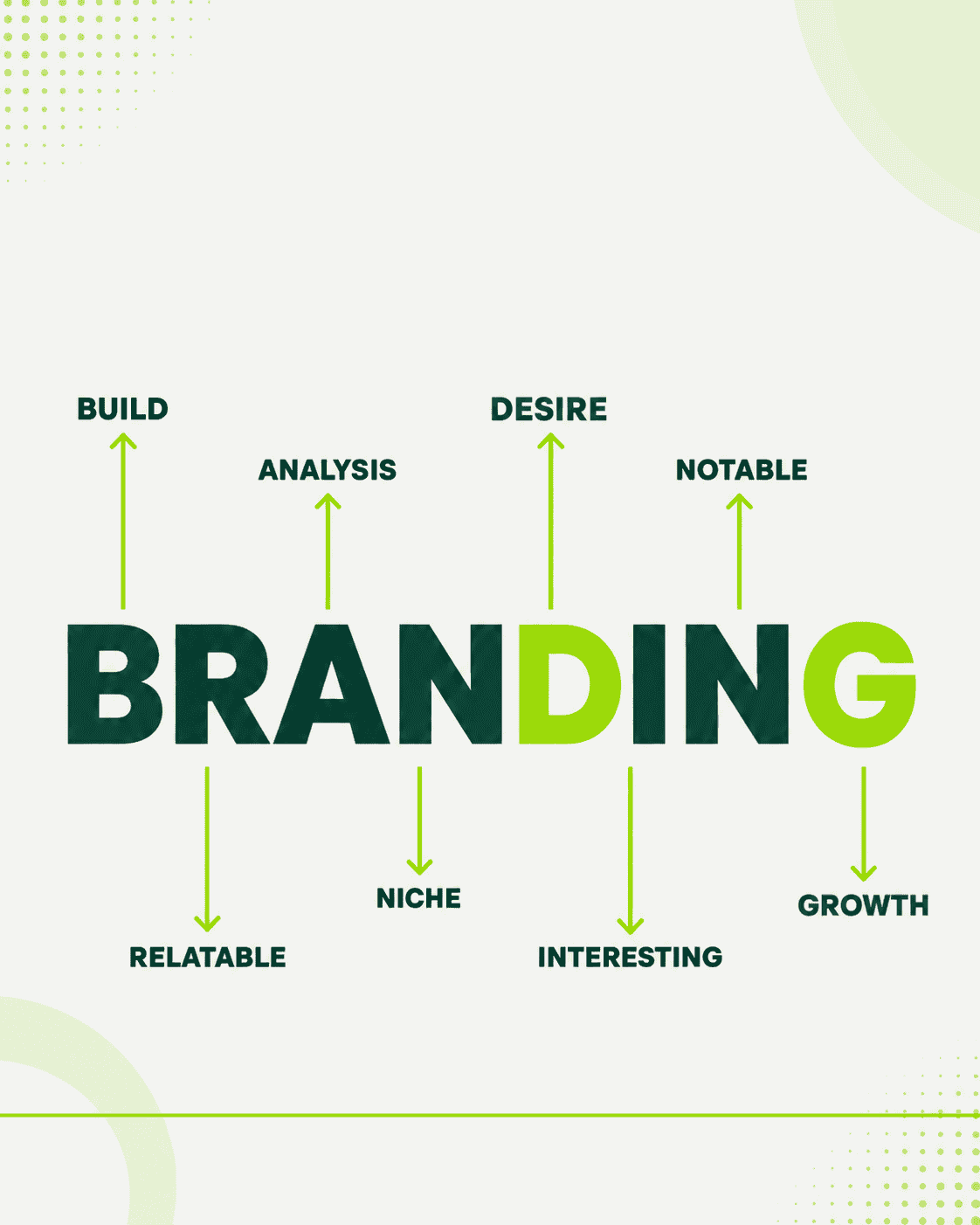
"We Handle the Buzz. You Enjoy the Success."
What Is Product Branding?
Product branding is the process of creating a distinct identity for an individual product. It includes the product’s name, logo, packaging, visual appearance, messaging, and overall personality.
The purpose is to make a product recognizable and distinguishable from competing options.
For example, two businesses may sell similar skincare products, but their packaging, brand voice, product positioning, and customer experience can make their products feel completely different.
Product branding helps customers understand what a product represents, who it is designed for, and why they should consider choosing it.
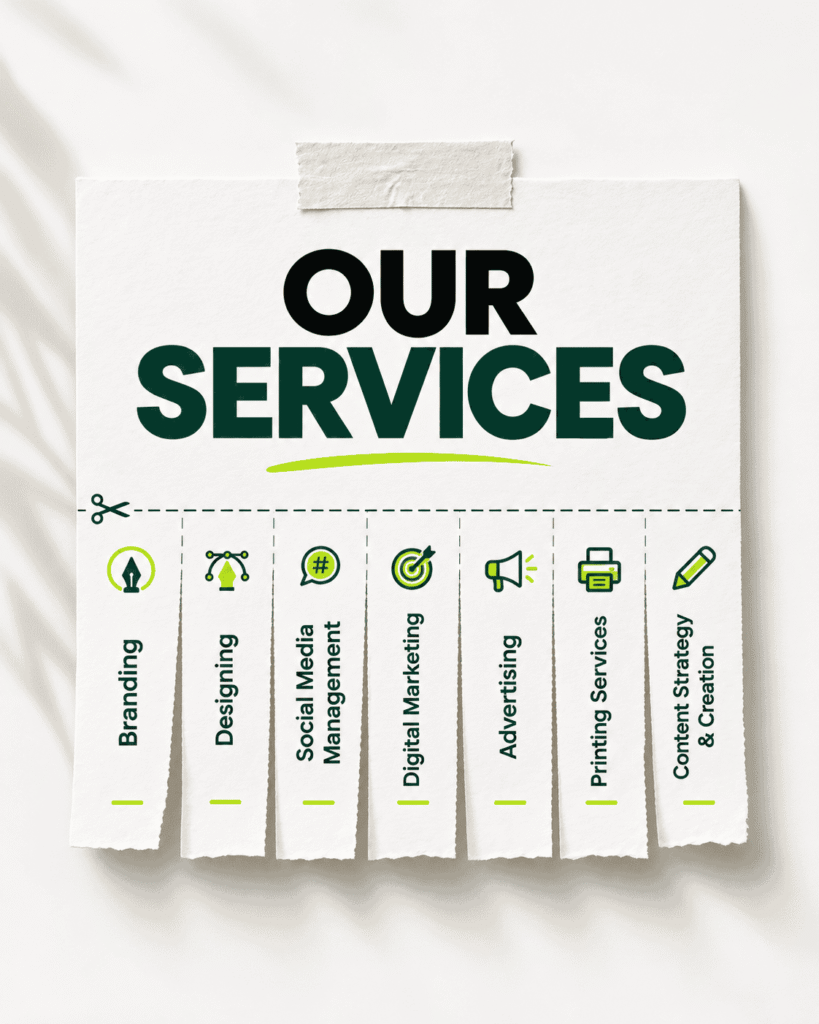
"Less Worry. More Growth. That's Brandagic."
Product Branding vs. Corporate Branding
Product Branding | Corporate Branding |
Focuses on an individual product | Focuses on the entire business |
Builds a distinct product identity | Builds the company’s overall identity |
Highlights product features and benefits | Communicates company values and mission |
Helps differentiate products | Builds trust in the overall business |
Both approaches should work together to create a consistent brand experience.
Essential Elements of Product Branding
A strong product identity is built through several connected elements.
1. Product Name and Logo
A product name should be memorable, relevant, and easy to recognize. The logo should reflect the product’s personality and fit naturally within the overall brand identity.
Avoid complicated names or designs that make it difficult for customers to remember your product.
2. Packaging and Visual Identity
Packaging is often one of the first physical interactions customers have with a product. Its colours, typography, layout, materials, and design contribute to how the product is perceived.
For ecommerce brands, packaging also becomes part of the unboxing experience and can influence how customers share their purchases online.
3. Brand Messaging and Voice
Your product messaging should explain what the product offers and why it matters to customers.
A consistent brand voice helps customers recognize your communication across product descriptions, advertisements, websites, and social media.
4. Product Positioning
Product positioning defines how you want customers to perceive your product compared with alternatives.
It should communicate your product’s main value, target audience, and meaningful point of difference.
5. Brand Guidelines
Brand guidelines establish rules for using logos, colours, typography, imagery, and messaging.
They help maintain consistency across packaging, websites, advertising, and other customer touchpoints.
Why Is Product Branding Important?
Product branding is not just about making products look attractive. It helps businesses communicate value and build recognition.
Here are five important benefits.
1. Creates Brand Recognition
Consistent product names, packaging, colours, and messaging make it easier for customers to recognize your products across different platforms.
2. Builds Customer Trust
A professional and consistent identity can make a product appear more established and credible. Clear product information and honest communication further support customer confidence.
3. Differentiates Your Product
When customers have several similar options, a distinctive product identity helps communicate why your offering is different.
4. Supports Customer Loyalty
A positive and consistent brand experience can encourage customers to return, recommend products, and develop a stronger connection with your business.
5. Strengthens Marketing Efforts
When product positioning and messaging are clear, marketing campaigns become more consistent. Your website, social media content, and advertisements can communicate the same product value.

How to Build a Successful Product Branding Strategy
Creating a strong product identity requires planning. Follow these six steps to develop a practical strategy.
Step 1: Research Your Market and Target Audience
Before designing a logo or packaging, understand your customers and competitors.
Consider:
- Who is most likely to purchase your product?
- What problems does the product solve?
- What do customers value when making a purchase?
- How are competing products positioned?
- What can make your product different?
Market research helps you make branding decisions based on customer needs rather than assumptions.
Step 2: Define Your Product Positioning
Decide what you want customers to associate with your product. Your positioning should communicate its purpose, key benefit, target audience, and competitive difference.
For example, a skincare product could position itself around simplicity, convenience, or a particular customer need. The positioning should be supported by the actual product and its features.
Step 3: Develop a Consistent Visual Identity
Create a visual system that reflects your product’s personality.
This may include:
- Product logo and name.
- Primary and secondary colours.
- Typography.
- Packaging design.
- Product photography.
- Website and social media visuals.
Consistency helps customers identify your product wherever they encounter it.
Step 4: Create Clear Brand Messaging
Develop a simple message that explains what your product offers and why customers should care. Your messaging should be consistent across product packaging, website content, advertisements, and social media.
Avoid making claims that your product cannot support. Clear and credible communication is more valuable than exaggerated promises.
Step 5: Build a Consistent Online Experience
For ecommerce businesses, your website is an important part of product branding. Product pages should include clear descriptions, quality images, useful information, and easy navigation.
A strategically designed Shopify store can help maintain brand consistency while making the shopping experience easier for customers.
Step 6: Review and Improve Your Brand Strategy
Product branding is not a one-time activity. Customer expectations, market conditions, and product offerings can change.
Review customer feedback, product performance, competitor positioning, and brand consistency regularly. Make improvements when they support your long-term business direction.

Product Branding Examples: What Businesses Can Learn
Well-known brands demonstrate how a distinctive product identity can support recognition and differentiation.
Allbirds: Its Wool Runner product connects a recognizable design with the brand’s focus on natural materials and sustainability.
Grind Coffee: Its coffee products build on the identity and personality of its existing coffee-shop brand.
Triangl: Its distinctive swimwear designs and social media presence helped establish a recognizable product identity.
Gymshark: Its fitness apparel combines product design with a clear identity focused on training and athletic performance.
These examples show that effective product branding connects the product’s purpose, visual identity, audience, and overall brand message.
Product Branding for Ecommerce Businesses
For online stores, customers often experience a product through its website, images, packaging, and digital communication before they purchase it.
That makes branding for ecommerce especially important.
A strong ecommerce brand should focus on:
- Consistent product pages: Use recognizable imagery, descriptions, and visual elements.
- Professional packaging: Make the physical product experience consistent with the online brand.
- Social media presence: Communicate product value through relevant content and customer interactions.
- Clear positioning: Help customers understand why your products are different.
- Customer experience: Maintain consistency from product discovery to delivery and after-sales communication.
Businesses exploring strategies for ecommerce should connect branding with website experience, customer service, content, and marketing rather than treating each activity separately.
Finding the Right Branding and Marketing Partner in Mohali and Chandigarh
Building a recognizable product brand requires more than a logo. Businesses may need support with positioning, identity development, packaging, ecommerce design, and marketing strategy.
If you are comparing a branding agency in Mohali or exploring brand growth in Mohali, evaluate whether the partner understands your business, audience, competitors, and long-term goals.
Depending on your requirements, you may also research:
- A website design company in Mohali for your online brand experience.
- Website development in Mohali for a functional business or ecommerce website.
- A social media marketing agency in Mohali for consistent brand communication.
- PPC services in Mohali for paid customer acquisition.
- A digital marketing company in Mohali for coordinated marketing support.
Businesses searching for a top ecommerce company in Mohali, the best digital marketing agency in Mohali, or the best PPC company in Mohali should compare actual service capabilities and strategy rather than relying only on marketing claims.
Similarly, when evaluating the best digital marketing services in Mohali, the best digital marketing company in Mohali, or digital marketing agency options in Chandigarh, consider how the provider connects branding, website experience, social media marketing in Mohali, and advertising with measurable business objectives.
How Brandagic Supports Product and Brand Development
At Brandagic, we believe strong brands are built through a combination of strategy, identity, and consistent execution.
Our Brand Consulting approach covers:
- Brand positioning.
- Brand identity development.
- Brand pricing strategy.
- Brand packaging design.
- Brand guidelines.
Our process moves from brand discovery and strategy planning to visual identity development and implementation support.
For ecommerce businesses, our Shopify Store Development services include strategic store planning, experience-led design, custom development, integrations, and optimized product architecture.
Explore our Brand Consulting services or contact Brandagic to discuss your brand and business goals.
Final Takeaway
Product branding helps businesses create a recognizable identity, communicate product value, and differentiate themselves in competitive markets. From product naming and packaging to positioning and online experiences, every element should work together to create a consistent impression.
For ecommerce brands and growing businesses, a clear product branding strategy can support stronger recognition, customer confidence, and long-term business development. Start by understanding your audience, defining your product’s value, and building an identity that customers can recognize and trust.
Frequently Asked Questions
1. What is product branding in marketing?
Product branding is the process of creating a distinct identity for an individual product through its name, logo, packaging, messaging, positioning, and visual design.
2. What are the main elements of product branding?
The main elements include product naming, logo design, packaging, visual identity, brand messaging, product positioning, and brand guidelines.
3. Why is product branding important for ecommerce?
Product branding helps ecommerce businesses create recognizable products, communicate value through digital channels, build customer confidence, and maintain a consistent shopping experience.
4. How do I create a product branding strategy?
Start with market research, identify your target audience, define product positioning, develop a visual identity, create consistent messaging, and review customer feedback.
5. What is the difference between product branding and corporate branding?
Product branding focuses on the identity of an individual product, while corporate branding represents the overall business, including its mission, values, reputation, and customer experience.
6. Can product branding help a small business grow?
Yes. A clear product identity can help small businesses differentiate their offerings, communicate their value, and create stronger customer relationships. Its impact depends on product quality, market fit, and consistent execution.