
Social media has changed the way people discover brands, research products, compare options, and make purchasing decisions.
For ecommerce brands and modern businesses, platforms such as Instagram, Facebook, YouTube, and other social channels are no longer simply places to publish content. They can become important parts of the customer journey—from the first interaction with a brand to the final purchase.
This is where social commerce comes into play.
Social commerce connects social media with product discovery, content, community, advertising, ecommerce websites, and purchasing. Instead of expecting customers to discover a product only through search engines or by directly visiting a website, businesses can use social platforms to introduce products and guide potential customers toward the next step.
For brands in Mohali, Chandigarh, and the wider Tricity region, this creates an opportunity to build a stronger connection between branding, marketing, website experience, and business growth.
But successful social commerce is not simply about adding a product link to a social media post.
It is about creating a journey that makes people want to discover, understand, trust, and eventually buy from your brand.

“When your brand speaks with purpose, your audience listens with interest.”
What Is Social Commerce?
Social commerce is the use of social media platforms to support product discovery, customer engagement, and purchasing.
A traditional ecommerce journey might look like this:
Search → Website → Product Page → Checkout
A social commerce journey can look more like:
Social Content → Brand Discovery → Engagement → Website/Product Page → Purchase
In some cases, the customer may complete the purchase directly within the social platform. In other cases, social media simply becomes the starting point that takes the customer to the brand’s ecommerce website.
This makes social commerce broader than simply running social media advertisements.
It combines several parts of a business:
- Social media content
- Brand identity
- Product presentation
- Customer reviews
- Influencer or creator content
- Paid advertising
- Ecommerce website
- Product pages
- Customer experience
- Conversion tracking
The objective is to make the transition from discovery to purchase as natural as possible.
“A clear message turns attention into trust and trust into loyalty.”
Why Is Social Commerce Important for Brands?
Customers do not always begin their buying journey by searching for a specific product.
Sometimes they discover a product while watching a video, browsing a social feed, reading a recommendation, or exploring content from a creator.
That means brands have an opportunity to introduce themselves before the customer has developed a specific purchase intention.
Social commerce can help businesses:
- Introduce products to new audiences
- Demonstrate how products work
- Build familiarity with a brand
- Showcase customer experiences
- Generate website traffic
- Support paid advertising
- Encourage product consideration
- Create opportunities for direct purchases
- Build stronger customer relationships
For ecommerce brands, this can make social media an important part of the overall acquisition strategy. However, social commerce should not operate separately from the rest of your marketing. Your social content, brand identity, website, advertising, and customer experience should work together.
7 Ways Brands Can Build a Strong Social Commerce Strategy
1. Choose Social Platforms Based on Your Audience
The first step is not to create accounts on every social platform.
The first step is to understand where your potential customers spend their time.
Different platforms support different types of content and customer behaviour.
For example:
- Instagram can be useful for visual product discovery.
- YouTube can support product demonstrations and educational content.
- Facebook can support communities, advertising, and broader audience reach.
- Pinterest can support visual discovery for relevant product categories.
- Messaging platforms can support conversations and customer interactions.
The right platform depends on your audience, product, industry, content format, and business objective.
A business should therefore avoid choosing a platform simply because it is popular.
Choose the platform where your potential customers are most likely to discover and evaluate your brand.
2. Create Content That Helps Customers Make Decisions
One of the biggest mistakes businesses make is creating social media content only to remain active.
Social commerce requires content that helps customers move closer to a decision.
Instead of constantly publishing promotional posts, create content that answers real customer questions.
Useful ecommerce content can include:
Product demonstrations
Show how the product works and how customers can use it.
Product comparisons
Explain differences between products, versions, features, or packages.
Educational content
Help customers understand a problem before introducing your solution.
Customer experiences
Use genuine reviews and customer-created content where appropriate.
Frequently asked questions
Turn common customer questions into videos, carousels, or posts.
Behind-the-scenes content
Show appropriate parts of your process, people, products, or business.
Product storytelling
Explain why the product exists and what problem it was created to solve.
Good social commerce content should answer a simple question:
Why should the customer care about this product?
3. Build a Strong Brand Before Focusing Only on Sales
Social commerce can generate attention quickly.
But attention does not automatically create trust. Imagine a customer discovers your product on Instagram. They visit your profile and see one visual style. Then they visit your website and find completely different colours, messaging, photography, and tone. The experience can feel disconnected. This is why branding for ecommerce is so important.
Your:
- Logo
- Colours
- Typography
- Product photography
- Packaging
- Social media design
- Website design
- Messaging
- Tone of voice
- Product presentation
should feel like parts of the same brand.
Strong branding helps customers recognise your business across different touchpoints. The goal is not simply to make your business look attractive. The goal is to create a brand that customers can recognise, understand, remember, and trust.
4. Make Your Website Ready for Social Traffic
Your social media content can generate interest.
Your website needs to turn that interest into action.
Imagine a customer sees a product video and clicks the link.
They reach your website and discover:
- Confusing navigation
- Slow-loading pages
- Poor mobile experience
- Unclear product information
- Weak product images
- Complicated checkout
- Missing trust information
The customer may leave even though the social campaign worked.
This is why website development in Mohali and web design in Mohali should be considered part of the overall customer acquisition experience.
A social-commerce-ready website should make it easy for visitors to:
- Understand the brand.
- Find the product they saw.
- Understand the product’s value.
- Review important information.
- Compare relevant options.
- Add products to the cart.
- Complete the purchase.
If you are comparing a website design company in Mohali, don’t evaluate providers only on how the homepage looks.
Ask how the website will support your marketing and customer journey.
5. Use Paid Advertising to Reach the Right Audience
Organic social media can help brands build awareness and engagement.
Paid advertising can help businesses reach specific audiences and promote products, offers, or content.
Depending on the business, paid campaigns can support:
- Product launches
- Retargeting
- Product discovery
- Ecommerce sales
- Promotional campaigns
- Lead generation
- Website traffic
- Seasonal campaigns
This is where businesses often start looking for a best PPC company in Mohali or providers offering PPC services in Mohali.
But selecting a paid advertising provider should involve more than asking how many campaigns they can run.
The important questions are:
- What is the campaign objective?
- Who is the target audience?
- What is the offer?
- Where will the traffic go?
- What conversion will be measured?
- How will campaign performance be evaluated?
- What happens after someone clicks the advertisement?
A click is not the final business goal. The complete customer journey matters.
6. Connect Social Media With Your Marketing Strategy
Social media works best when it is connected to the rest of the business.
Think of the process as a system:
Brand Strategy → Content → Social Discovery → Advertising → Website → Conversion → Customer Experience → Retention
Each stage has a purpose.
Brand strategy
Defines your positioning, audience, differentiation, and overall direction.
Social content
Communicates the brand and creates discovery.
Paid advertising
Helps reach relevant audiences.
Website
Provides information and facilitates conversion.
Analytics
Shows how people interact with campaigns and website experiences.
Customer experience
Determines what happens after the purchase or enquiry.
This is why businesses researching best digital marketing services in Mohali, a digital marketing company in Mohali, or a digital marketing agency Mohali should look beyond individual services.
The better question is:
Can the marketing activity support the complete customer journey?
7. Measure Business Outcomes, Not Just Likes
Likes and followers can indicate engagement, but they are not the only metrics that matter.
For social commerce, businesses should connect social activity with meaningful business outcomes.
Customer Journey Stage | Possible Metrics |
Awareness | Reach, impressions, video views |
Engagement | Comments, shares, saves, profile visits |
Traffic | Website sessions, product-page visits |
Intent | Add-to-cart, product interactions, enquiries |
Conversion | Purchases, leads, conversion rate |
Advertising | CTR, CPC, CPA, ROAS where applicable |
Retention | Repeat purchases, returning customers |
The exact metrics should depend on the campaign objective. For an ecommerce brand, purchases and revenue may be central. For a service business, qualified enquiries may matter more. For a new brand, awareness and engagement may be important during the initial stage. The key is to measure the result that actually matters to the business.
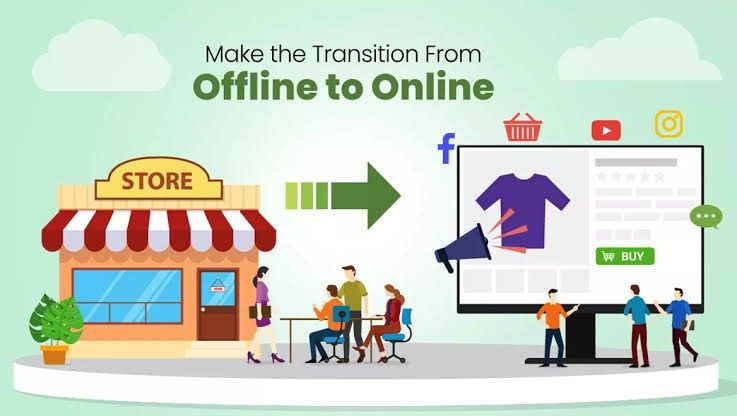
Social Commerce for Different Types of Businesses
Social commerce is not limited to large ecommerce brands. The strategy can be adapted to different business models.
Social Commerce for Ecommerce Brands
Ecommerce brands can use social media for:
- Product discovery
- Product demonstrations
- Customer reviews
- Creator content
- Product launches
- Retargeting
- Promotional campaigns
- Website traffic
- Repeat purchases
For ecommerce, the objective is often to connect content with commerce.
A customer discovers the product through social media, develops interest, visits the website, evaluates the product, and eventually purchases.
Social Commerce for Startups
Startups often need to build awareness and trust at the same time.
Useful content can include:
- Founder stories
- Product education
- Problem-and-solution content
- Demonstrations
- Customer feedback
- Brand story
- Behind-the-scenes content
For startups, the objective should not simply be gaining followers. The objective should be building familiarity with the right audience.
Social Commerce for Local Businesses
Businesses in Mohali and Chandigarh can also use social media to communicate:
- What they offer
- Who they serve
- Where they operate
- What makes them different
- Customer experiences
- Offers
- New services
- Frequently asked questions
For local businesses, social media can complement local search, website traffic, Google Business Profile activity, paid advertising, and other marketing channels.
Social Commerce for Established Brands
Established businesses can use social commerce to support:
- Product launches
- Seasonal campaigns
- Brand storytelling
- Creator collaborations
- Product education
- Customer communities
- Retargeting
- New audience acquisition
The challenge for established brands is often consistency. As a business grows, different marketing channels can start communicating different messages. A strong strategy keeps the customer experience connected.
How Social Commerce Supports Brand Growth
Social commerce is not only about selling products. It can also contribute to brand growth in Mohali, Chandigarh, and beyond. Consider the customer journey. A person first sees your content. They then recognise your brand several days later.
They visit your profile.
They see customer reviews.
They visit your website.
They compare your product.
They return later.
Eventually, they make a purchase. This is not one interaction. It is a series of brand experiences. That is why social commerce should be considered part of a broader brand-growth strategy. A strong brand can make marketing more consistent. A strong marketing strategy can help the brand reach the right people. A strong website can help convert that interest. And a strong customer experience can encourage people to return.
Social Commerce and Website Development
Social commerce also changes the way businesses should think about website development.
If social media is an important acquisition channel, your website should be designed around the expectations of social visitors.
Your website should consider:
Mobile experience
Many social interactions happen on mobile devices, so the website needs to work well on smaller screens.
Landing pages
A campaign should ideally take users to a relevant page rather than always sending everyone to the homepage.
Product information
The website should answer the questions customers are likely to have after seeing your content.
Visual consistency
Your social media and website should feel like the same brand.
Conversion experience
Visitors should understand what action to take next.
Tracking
Businesses should be able to understand how marketing activity contributes to website actions.
For ecommerce businesses, Shopify can be particularly useful when the goal is to connect product presentation, ecommerce functionality, and marketing activity. This is why choosing a website design company in Mohali should involve more than visual design. The website needs to support the business strategy.
Social Commerce and Digital Marketing
Social commerce is one part of a wider marketing ecosystem.
Businesses may combine social media with:
- SEO
- PPC
- Content marketing
- Email marketing
- Website optimisation
- Brand strategy
- Performance marketing
- Retargeting
- Ecommerce optimisation
This is why a business searching for the best digital marketing agency in Mohali or best digital marketing company in Mohali should first identify its actual growth problem.
For example:
Problem: Not enough awareness
The business may need stronger content and brand communication.
Problem: Lots of traffic but few conversions
The website or offer may need improvement.
Problem: Ads are generating clicks but not sales
The targeting, messaging, landing experience, offer, or conversion process may need to be reviewed.
Problem: Customers don’t remember the brand
The business may need stronger positioning and consistent branding.
Problem: Ecommerce sales are inconsistent
The business may need a more structured acquisition and retention strategy. The right marketing solution depends on the problem.
How to Build a Social Commerce Strategy
Here is a practical framework brands and businesses can use.
Step 1: Define the Business Objective
Decide what you actually want social commerce to achieve.
Examples include:
- More product sales
- More qualified enquiries
- More website visitors
- Product awareness
- New customer acquisition
- Repeat purchases
- Brand awareness
Step 2: Define Your Audience
Understand:
- Who your customers are
- What problems they have
- What they want
- What prevents them from purchasing
- What content they consume
- Where they spend time online
Step 3: Clarify Your Brand Positioning
Answer:
Why should customers choose your business instead of another option?
Your answer should influence your content, website, advertising, and messaging.
Step 4: Choose Your Content Pillars
Create repeatable content categories.
For example:
- Education
- Product demonstrations
- Customer reviews
- Product comparisons
- Brand stories
- FAQs
- Behind the scenes
- Offers
This makes content creation more structured.
Step 5: Prepare Your Website
Make sure visitors can move easily from social content to the relevant page.
Review:
- Mobile experience
- Navigation
- Product pages
- Landing pages
- Trust signals
- Checkout
- Enquiry forms
- Conversion tracking
Step 6: Add Paid Advertising
Once your messaging and customer journey are clear, paid campaigns can help increase reach and generate relevant traffic.
Use advertising according to the objective rather than simply increasing the budget.
Step 7: Track Conversions
Measure meaningful actions.
For ecommerce, this may include purchases and revenue.
For service businesses, this may include qualified leads or enquiries.
Step 8: Test and Improve
Review:
- Content performance
- Audience response
- Website behaviour
- Advertising performance
- Conversion rates
- Customer feedback
Then improve the weakest part of the customer journey.
Common Social Commerce Mistakes
1. Focusing Only on Followers
Followers can be useful, but they don’t automatically translate into revenue.
Focus on the right audience and meaningful actions.
2. Selling in Every Post
Customers need education and trust before they are ready to buy. Balance promotional content with useful content.
3. Ignoring the Website
If social media generates traffic but the website doesn’t convert it, the overall strategy suffers.
4. Inconsistent Branding
Different visuals and messaging across channels can make a business difficult to recognise.
5. Running Ads Without Proper Tracking
Without reliable measurement, it becomes difficult to understand what is actually working.
6. Copying Competitors
Your strategy should be based on your audience, positioning, product, and business goals.
7. Using Every Social Platform
More platforms don’t necessarily mean better results.
Choose channels strategically.
How Brands in Mohali and Chandigarh Can Use Social Commerce
The Mohali–Chandigarh market includes startups, ecommerce brands, local businesses, retailers, professional services, and established companies.
Each business requires a different approach.
For example:
Ecommerce brand
Focus on product discovery, demonstrations, reviews, paid campaigns, and ecommerce conversion.
Startup
Focus on brand story, education, positioning, and audience trust.
Local business
Focus on local discovery, credibility, customer experiences, and enquiries.
Established brand
Focus on consistency, campaigns, customer relationships, and scalable acquisition. This is why businesses looking for a social media marketing agency Mohali, PPC services in Mohali, digital marketing in Mohali, or other marketing services should first define the outcome they want. A provider should be evaluated on strategy, execution, measurement, and understanding of the business—not simply the number of posts or advertisements promised.
How Brandagic Can Fit Into the Social Commerce Journey
Brandagic focuses on helping businesses build stronger brands through strategy, systems, storytelling, and growth-focused thinking. Its services include Brand Strategy, Marketing Strategy, Shopify, Brand Consulting, and Marketing Consulting. For businesses building an ecommerce presence, Shopify services can support strategic store planning, experience-led design, custom development and integrations, product architecture, and launch support.
For brands that need stronger positioning and identity, Brand Consulting covers areas such as brand positioning, brand identity development, pricing strategy, packaging design, and brand guidelines. This matters because social commerce doesn’t exist independently.
A successful customer journey can require:
Brand Strategy → Marketing Strategy → Content → Social Media → Advertising → Website → Conversion → Customer Experience
The exact combination depends on the business. For an ecommerce brand, Shopify and product experience may be central. For a startup, positioning and brand strategy may come first. For an established business, the priority may be creating greater consistency between existing marketing activities.
Social Commerce Checklist
Before launching your next social commerce campaign, review the following.
Brand
- Is our positioning clear?
- Is our visual identity consistent?
- Does our messaging make sense to the target customer?
- Can people quickly understand what makes us different?
Content
- Are we creating useful content?
- Are we demonstrating products?
- Are we answering customer questions?
- Are we showing genuine customer experiences?
- Do we have content for different stages of the buying journey?
Website
- Is the website mobile-friendly?
- Can customers quickly find the relevant product?
- Are product pages clear?
- Is the checkout experience straightforward?
- Are campaign landing pages relevant?
Advertising
- Is the audience clearly defined?
- Is the campaign objective clear?
- Is the offer relevant?
- Are conversions being tracked?
Measurement
- Are we measuring meaningful business outcomes?
- Which content generates valuable traffic?
- Which campaigns generate conversions?
- Where are potential customers dropping off?
If several answers are “no,” increasing the advertising budget may not be the first thing you need to do. Fix the customer journey first.
Final Takeaway
Social commerce is much more than selling products through social media. It is about creating a connected journey where brand strategy, content, social media, advertising, ecommerce, website experience, and customer behaviour work together.
For ecommerce brands, social commerce can turn social discovery into product consideration and sales. For startups, it can help build familiarity and trust. For local businesses, it can strengthen digital visibility and customer engagement. For established brands, it can connect social content with broader marketing and ecommerce objectives.
The strongest approach is not:
Post → Advertise → Hope
It is:
Position → Create → Discover → Engage → Visit → Convert → Measure → Improve
For businesses in Mohali, Chandigarh, and the wider Tricity, this approach can create a more meaningful connection between brand growth, marketing strategy, website development, social media, PPC, and ecommerce. Social commerce works best when social media is not treated as an isolated channel—but as part of the complete customer journey.
Frequently Asked Questions
What is social commerce?
Social commerce is the use of social media to support product discovery, engagement, and purchasing. Depending on the platform and business model, customers may purchase directly through a social platform or continue to the brand’s ecommerce website.
Is social commerce only for ecommerce businesses?
No. Ecommerce businesses are a natural fit, but startups, local businesses, service businesses, and established brands can also use social platforms to generate awareness, enquiries, website traffic, and sales.
How is social commerce different from social media marketing?
Social media marketing can focus on awareness, engagement, community building, and traffic. Social commerce places greater emphasis on connecting social interactions with the buying journey and commercial outcomes.
Does a business need Shopify for social commerce?
No. Social commerce can work with different ecommerce platforms and websites. Shopify is one option for businesses that want an ecommerce infrastructure that can support product selling and multiple customer touchpoints.
How can social commerce help ecommerce brands?
It can help ecommerce brands generate product discovery, demonstrate products, build social proof, reach new audiences, drive website traffic, support paid campaigns, and create more opportunities for customers to purchase.
Why is branding important for ecommerce?
Branding helps customers recognise and differentiate an ecommerce business. Consistent positioning, messaging, visual identity, and customer experience can help a brand become more memorable across social media and its website.
Should I hire a social media marketing agency in Mohali?
It depends on your business goals, internal capabilities, and marketing requirements. Before hiring an agency, evaluate its understanding of your audience, strategy, content approach, advertising capabilities, measurement process, and ability to connect social activity with business objectives.
How should I choose PPC services in Mohali?
Start by defining your business objective and then evaluate providers based on audience targeting, campaign strategy, landing-page experience, conversion tracking, reporting, and optimisation—not simply the amount of advertising spend they can manage.