

In a crowded market, being good at what you do is not always enough. Customers have more choices, competitors can offer similar products or services, and businesses often use the same words to describe themselves.
This creates an important question:
Why should a customer choose your business instead of another option?
The answer starts with market positioning. Market positioning is about establishing a clear and distinctive place for your business in the market and communicating why your business is relevant to the people you want to reach.For a startup in Mohali, an ecommerce brand in Chandigarh, a professional service business, or an established company expanding across the Tricity, positioning can influence how people understand your offer before they ever contact you.
A strong position can also provide direction for your brand strategy, marketing strategy, website messaging, advertising, content, and customer experience.
In this guide, we’ll explain what market positioning is, how it differs from brand and product positioning, how to develop a market positioning strategy, and how businesses in Mohali and Chandigarh can use positioning to create meaningful differentiation.
“In a crowded market, differentiation is the key to standing out.”
What Is Market Positioning?
Market positioning is the process of establishing a distinctive place for a business within its market and communicating the value that makes it relevant to its target customers.
It answers four fundamental questions:
- Who are you trying to serve?
- What problem or need are you addressing?
- What makes your business different?
- Why should customers believe your business is the right choice?
A market positioning strategy therefore goes beyond creating a tagline or choosing a visual style. It connects your target market, customer needs, competitive landscape, value proposition, brand identity, and business strengths into one clear direction.
For example, imagine three businesses selling similar products.
One competes primarily on affordability. Another focuses on premium quality and experience. The third focuses on convenience for a very specific customer group. All three may sell similar products, but they occupy different positions in the customer’s mind. That difference is positioning.
“A strong market position turns your brand from just another option into the preferred choice.”
Why Is Market Positioning Important?
A strong position makes it easier for customers to understand what your business stands for and whether it is relevant to them.
Shopify highlights benefits such as stronger brand awareness, customer acquisition, customer loyalty, and sales as potential outcomes of effective market positioning.
For businesses, positioning can help with several areas.
1. It creates clarity
If your website says one thing, your advertisements say another, and your sales team communicates something completely different, customers may struggle to understand your business.
Positioning creates a central direction.
2. It improves differentiation
Your competitors may offer similar products or services.
Your positioning should answer:
What makes your business meaningfully different?
This is the foundation of market differentiation.
3. It helps attract the right customers
Not every customer is necessarily your ideal customer.
A clear position allows your messaging to speak more directly to a defined target audience.
4. It supports your marketing strategy
Your positioning influences:
- advertising messages
- content topics
- website copy
- social media communication
- offers
- landing pages
- campaign themes
- sales messaging
This is why positioning should ideally come before scaling your marketing activities.
5. It strengthens customer perception
Your business has a position whether you intentionally create one or not.
Customers form opinions from your:
- website
- visual identity
- pricing
- communication
- service
- reviews
- social presence
- advertising
- customer experience
Market positioning helps you become more intentional about that customer perception.
Market Positioning vs Brand Positioning vs Product Positioning
These terms are closely related, but they are not interchangeable.
Positioning Type | Main Focus | Key Question |
Market Positioning | Overall place in the market | Where does our business fit? |
Brand Positioning | Perception of the brand | How should customers perceive us? |
Product Positioning | Individual product/service | Why should customers choose this offer? |
Shopify describes market positioning as the broader view of how the business differs from competitors, while brand positioning focuses on brand identity and product positioning focuses on specific products or services.
Market Positioning
Market positioning looks at the wider competitive environment.
It considers your industry, audience, competitors, value, and differentiation.
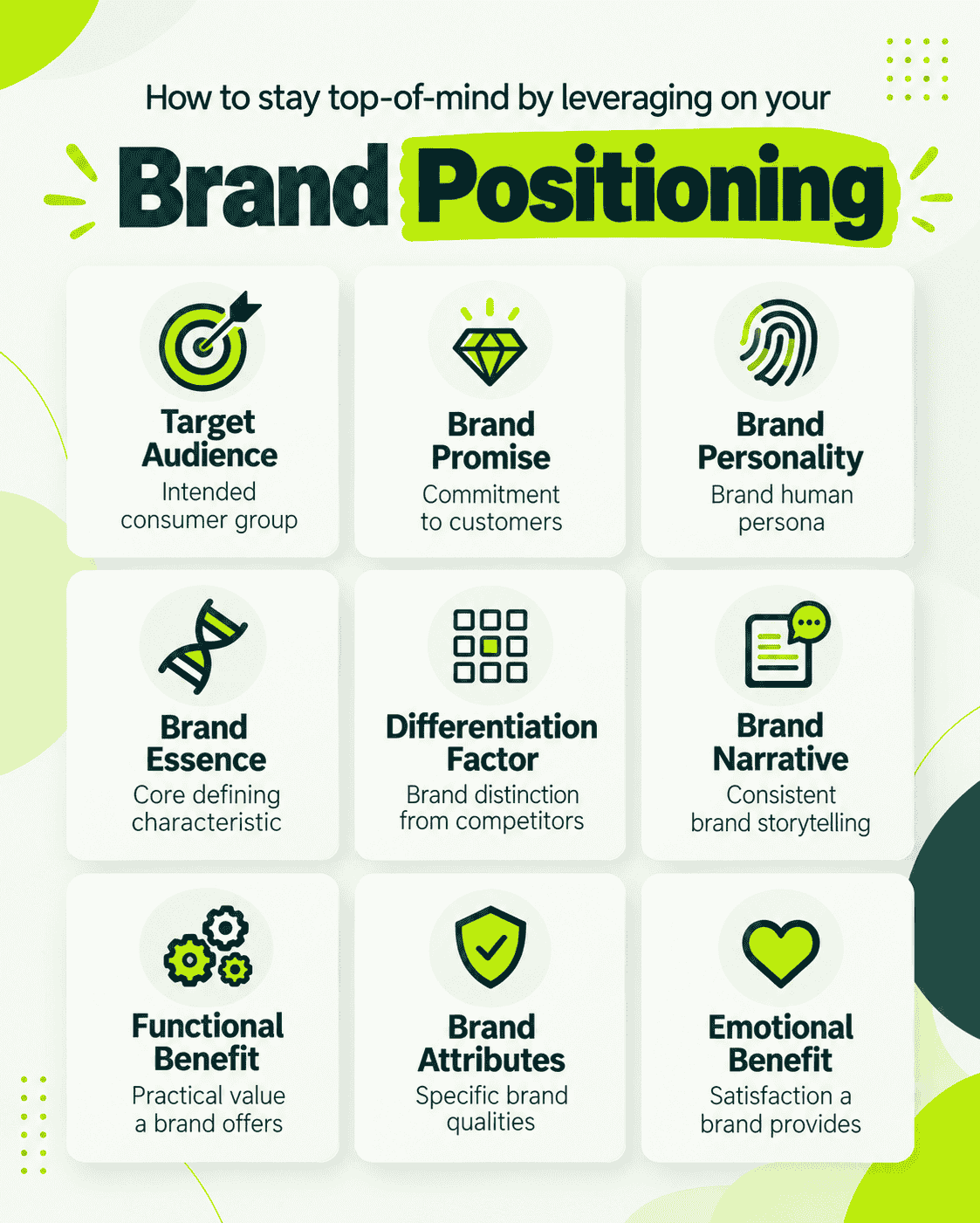
Brand Positioning
Brand positioning focuses on the place your brand occupies in customers’ minds.
A brand positioning strategy may influence:
- brand personality
- values
- visual identity
- messaging
- tone of voice
- brand promise
- customer experience
Product Positioning
Product positioning focuses on a particular product or service and the reason a customer should choose it over alternatives.
It can influence product messaging, pricing, feature emphasis, packaging, and marketing communication.

What Are the Main Types of Market Positioning?
There is no single positioning model that works for every business.
Depending on your market and customers, you can build your position around different factors.
1. Price-Based Positioning
The business competes around affordability or accessible pricing.
This can work when customers are highly price-sensitive, but competing only on price can make differentiation difficult.
2. Value Positioning
The focus is on the overall value customers receive. Value does not necessarily mean the cheapest price.
It could combine:
- quality
- convenience
- service
- features
- support
- experience
3. Quality Positioning
The business emphasizes quality, craftsmanship, reliability, performance, or durability.
4. Premium or Luxury Positioning
The brand intentionally creates a perception of exclusivity, premium experience, design, service, or craftsmanship.
5. Competitive Positioning
Competitive positioning directly considers how your business compares with alternatives. The objective is not simply to say that you are better. It is to identify a meaningful difference that matters to your target customer. Shopify describes competitive positioning as defining what sets a brand apart and communicating its unique selling proposition to the right customers.
6. Benefit-Based Positioning
The business focuses on a particular benefit customers care about.
For example:
- convenience
- speed
- simplicity
- reliability
- customization
- expertise
7. Usage-Based Positioning
The product or service is positioned around a specific use case.
This can be particularly useful when the same category serves different customer needs.
8. Niche Positioning
Instead of trying to appeal to everyone, a business focuses on a specific customer segment or problem.
For many startups, this can be more effective than attempting to compete across an entire market.
What Is Competitive Positioning?
Competitive positioning is the process of defining how your business differs from competing alternatives and communicating that difference to your target market.
Customers are constantly comparing options.
They may compare:
- price
- quality
- experience
- service
- expertise
- convenience
- reputation
- features
- specialization
The objective of competitive positioning is therefore to create a clear reason for customers to consider your business.
A useful competitive positioning exercise asks:
What are competitors known for?
What do customers like or dislike about existing options?
Where are customers underserved?
What can we credibly do differently?
Does that difference actually matter to customers?
A strong competitive positioning strategy is based on meaningful differentiation rather than simply claiming to be “the best.”
How to Develop a Market Positioning Strategy
Creating a market positioning strategy requires research before messaging.
Here is a practical framework.
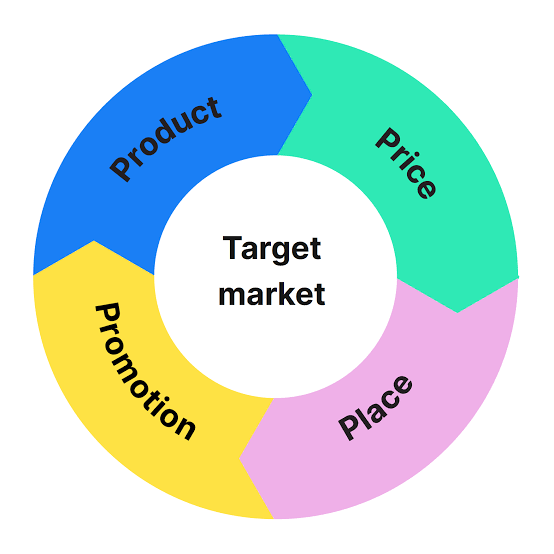
1. Define Your Target Market
Start with your target market.
Ask:
- What market are we serving?
- Which customer groups need our offer?
- Which segment is most relevant to our business?
- What characteristics make someone a good-fit customer?
A local business might define its geographic market around Mohali, Chandigarh, Panchkula, Zirakpur, Kharar, or the wider Tricity. An ecommerce brand may instead target customers nationally or internationally. The important point is to define the market before trying to communicate to everyone.
2. Understand Your Target Audience
Your target audience is the specific group of people you want your positioning and communication to influence.
Go deeper than demographics.
Understand:
- their problems
- motivations
- buying triggers
- objections
- priorities
- expectations
- alternatives
- decision-making process
For example, a startup founder looking for a branding partner may care about clarity, differentiation, and building a credible market presence. An established business may care more about repositioning, expansion, customer perception, or entering a new segment. The positioning should reflect those differences.
3. Conduct a Competitive Analysis
You cannot build effective competitive positioning without understanding the competition.
If every competitor uses the same promise, the market may have an opportunity for a different angle.
Shopify similarly recommends competitive analysis as an early step because understanding where competitors already sit can reveal opportunities for differentiation.
4. Identify Your Competitive Advantage
Your competitive advantage should be more than something you personally like about your business. It should be relevant to customers and difficult enough to replicate that it provides meaningful differentiation.
Potential areas include:
- specialization
- expertise
- product quality
- customer experience
- process
- technology
- convenience
- distribution
- service
- customization
- community
- brand experience
Ask:
Why would a customer choose us if price were not the only factor?
That question can reveal valuable positioning opportunities.
5. Find Your Market Differentiation
Market differentiation is about identifying a meaningful space between your business and competing alternatives. You do not need to be completely unique. You need to be meaningfully different.
For example:
A business might differentiate through a specialized audience. Another might focus on premium experience. Another might simplify a complicated process. Another might combine expertise with a highly personalized service model. The best differentiation is both credible and valuable.
6. Define Your Unique Value Proposition
Your unique value proposition (UVP) explains why customers should choose your offer over alternatives.
A useful UVP should communicate:
- what you provide
- who it is for
- what benefit it delivers
- why it is different
Shopify distinguishes a UVP from a slogan or generic marketing pitch and describes it as a clear statement of why customers should choose your product or service over competitors.
A simple framework is:
We help [target audience] achieve [important outcome] through [distinctive approach], unlike [common alternative].
Keep it specific enough to be meaningful.
7. Build Your Brand Identity
Once your market position is clear, your brand identity should reinforce it.
Brand identity can include:
- logo
- colors
- typography
- imagery
- tone of voice
- messaging
- visual style
- brand personality
But branding should not begin and end with aesthetics.
Your identity should communicate the position you want customers to associate with your business.
This is where brand strategy becomes important.
Your positioning determines the strategic direction; your brand identity helps make that direction visible and recognizable.
8. Create a Positioning Statement
A positioning statement summarizes how you want your business to be understood by its target audience.
Shopify identifies four useful components:
- Target audience
- Category
- Unique value proposition
- Reasons to believe
A practical template is:
For [target audience], [brand] is a [category] that provides [unique value]. Unlike [alternative], we [key differentiator].
For internal strategy, you can expand this with proof points, customer insights, brand values, and business goals. The statement does not have to appear publicly word-for-word.
Its main purpose is to give your team a clear strategic reference point.
9. Turn Positioning Into Marketing Strategy
Positioning should influence your marketing strategy.
Otherwise, it remains a document rather than a business tool.
Your marketing should consistently communicate the position through:
Website
Your homepage should make it clear:
- who you serve
- what you offer
- why it matters
- why customers should trust you
Content
Your content topics should reinforce your expertise and relevance.
Paid Advertising
Google Ads and social advertising should communicate the benefits and differentiators most relevant to your target audience.
Businesses researching Google Ads services in Mohali, for example, should evaluate whether the advertising strategy is connected to their broader positioning rather than treated as an isolated traffic source.
Social Media
Your social presence should reinforce your personality, expertise, customer value, and differentiation.
This is where businesses looking for a social media marketing agency in Mohali should think beyond posting frequency.
The real question is:
What should social media make people believe about your brand?
Market Positioning for Businesses in Mohali & Chandigarh
Local businesses face a particular challenge. Customers in Mohali, Chandigarh and the wider Tricity can easily compare multiple providers before making a decision. A business may therefore need to differentiate through more than location.
For example, a local business can build positioning around:
- specialization
- premium experience
- local expertise
- convenience
- specific customer segments
- personalized service
- quality
- transparent process
- industry expertise
This becomes especially important for businesses competing in crowded categories such as marketing, branding, ecommerce, professional services, real estate, education, healthcare, hospitality and local retail. If someone searches for a branding agency in Mohali, several businesses may appear.
The question then becomes:
What makes one option more relevant to that particular customer?
That is a positioning question.
Brand Positioning in Mohali: What Should Local Businesses Focus On?
Businesses considering brand positioning in Mohali should begin by understanding their local customer rather than simply adding “Mohali” to every marketing message.
Consider:
Local market
Who are your customers in Mohali?
Competitive landscape
How are similar businesses positioning themselves?
Customer expectations
What do local customers value when selecting a provider?
Brand differentiation
What can your business communicate more clearly or credibly?
Market opportunity
Is there a customer segment or need that competitors are not addressing well?
A strong brand strategy in Mohali should connect these insights with the business’s long-term direction.
Brand Consulting and Market Positioning
Businesses often seek brand consulting in Mohali when their existing identity no longer reflects where they want to go.
Positioning can be useful when:
- launching a new business
- entering a new market
- targeting a new audience
- launching a new product
- moving toward premium positioning
- differentiating from competitors
- changing customer perception
- expanding an established brand
The goal is not always to completely change the brand. Sometimes the business already has valuable strengths but communicates them poorly. In that situation, positioning helps bring those strengths into sharper focus.

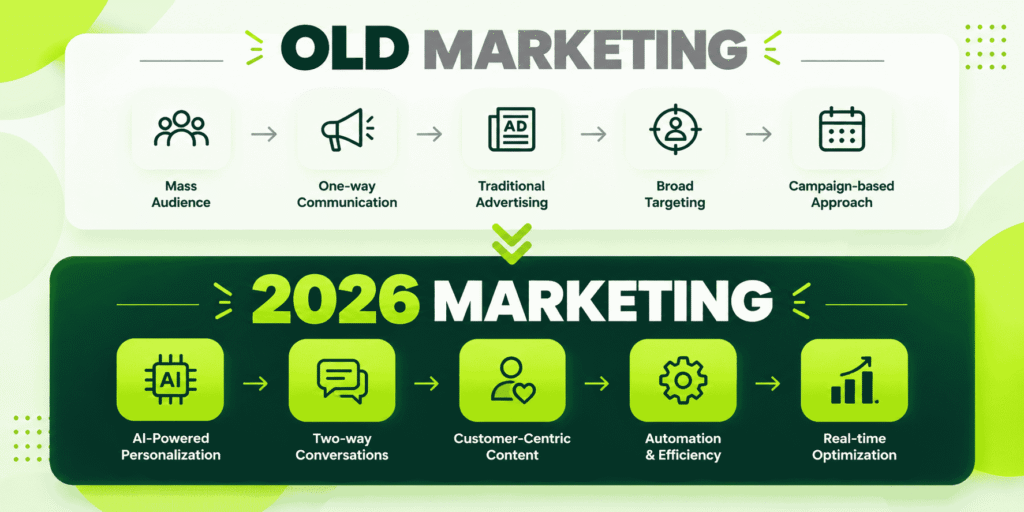
How Positioning Supports Digital Marketing
Positioning and digital marketing should not operate independently.
Your:
Positioning → Messaging → Content → Advertising → Landing Page → Customer Experience
should tell a consistent story.
For example, a business investing in PPC services in Mohali may generate traffic through Google Ads.
But if the landing page does not communicate the same value proposition as the advertisement, the campaign can lose clarity.
Similarly, investing in social media marketing in Mohali without a clear brand position can result in content that generates activity without building a distinctive brand.
The same principle applies to businesses searching for:
- PPC company in Mohali
- Google Ads services in Mohali
- social media marketing agency Mohali
- best digital marketing services in Mohali
- digital marketing company in Mohali
- digital marketing agency Mohali
The channel is important, but the strategic message behind the channel matters just as much.
Positioning for Startups
Startups often make one common mistake: trying to appeal to everyone.
A startup usually has limited resources.
Instead of communicating ten different benefits, identify the one or two reasons your ideal customer should care.
A startup positioning exercise should answer:
- Who are we building for?
- What problem are we solving?
- What alternatives already exist?
- Why is our solution different?
- What should customers remember about us?
A focused position can make early marketing more efficient because the business has clearer boundaries around its messaging.
Positioning for Ecommerce Brands
For ecommerce businesses, positioning can influence almost every customer touchpoint.
It can shape:
- product descriptions
- packaging
- website design
- product photography
- pricing
- social media
- paid advertising
- email communication
- customer experience
For an ecommerce business in Mohali or Chandigarh, positioning can also help determine whether the brand should compete around affordability, quality, specialization, convenience, design, sustainability, experience, or another meaningful benefit.
This is where brand positioning strategy and product positioning should work together. Your brand establishes the broader perception. Your products then reinforce that perception.
How Customer Perception Shapes Positioning
You decide your intended position. Your customers decide whether they believe it. That distinction matters. Suppose a company wants to position itself as premium.
If its website looks inconsistent, communication is unclear, customer service is poor, and the buying experience feels complicated, customers may form a different perception. This is why customer perception should be monitored alongside internal brand strategy.
Ask customers:
- How would you describe our brand?
- What do you think we are best at?
- Who do you think our products/services are for?
- What makes us different?
- What would you compare us with?
- Why did you choose us?
The answers can reveal gaps between intended positioning and actual perception.
How to Measure Whether Your Positioning Is Working
Market positioning is not always measured through one metric.
Instead, monitor signals across the customer journey.
Awareness
- branded searches
- direct traffic
- reach
- content visibility
Engagement
- content engagement
- website engagement
- returning visitors
- audience interaction
Acquisition
- qualified enquiries
- conversion rate
- lead quality
- customer acquisition cost
Brand perception
- customer feedback
- reviews
- survey responses
- recurring descriptions of your brand
Business outcomes
- sales
- repeat customers
- customer value
- demand from your intended audience
The important question is not simply:
“Are we getting more traffic?”
It is:
“Are we attracting and converting the right customers for the position we want to own?”
Common Market Positioning Mistakes
1. Trying to appeal to everyone
Broad messaging often becomes generic messaging.
2. Copying competitors
If your positioning sounds exactly like your competitors, customers have little reason to remember you.
3. Confusing branding with positioning
A new logo does not automatically create a new market position.
4. Competing only on price
Price can be a positioning strategy, but relying exclusively on low pricing can make differentiation difficult.
5. Making unsupported claims
Calling your business “the best” is not the same as demonstrating meaningful differentiation.
6. Ignoring customer perception
Your intended position and actual market perception can be different.
7. Changing positioning too frequently
Positioning requires consistency. Constantly changing your message can prevent customers from developing a clear association with your brand.
8. Running marketing without strategic direction
Paid ads, SEO, content and social media can generate activity, but they work better when they reinforce a clear market position.
A Simple Market Positioning Framework
Before publishing your next campaign, complete this framework:
Step 1 — Target Market
Who are you trying to serve?
Step 2 — Target Audience
Who within that market is most valuable or relevant?
Step 3 — Customer Problem
What important problem are you solving?
Step 4 — Competitors
What alternatives are customers already considering?
Step 5 — Competitive Advantage
What can you credibly do differently?
Step 6 — Value Proposition
What meaningful value do customers receive?
Step 7 — Differentiation
Why should customers remember you?
Step 8 — Brand Identity
How should your visual and verbal identity communicate that position?
Step 9 — Positioning Statement
Can you explain your position in one clear paragraph?
Step 10 — Marketing Strategy
Can your website, content, advertising and social media consistently communicate it?
Market Positioning Checklist
Before finalizing your positioning, ask:
- Is our target market clearly defined?
- Is our target audience specific?
- Do we understand our competitors?
- Do we know what customers value?
- Is our competitive advantage clear?
- Do we have meaningful differentiation?
- Is our unique value proposition easy to understand?
- Does our brand identity support our position?
- Do we have a positioning statement?
- Does our website communicate the same position?
- Does our marketing strategy reinforce it?
- Do our paid campaigns reflect the same message?
- Are we monitoring customer perception?
- Are we attracting the right audience?
If several answers are unclear, your business may need more positioning work before increasing marketing activity.
How Brandagic Approaches Market Positioning
At Brandagic, the focus is on connecting strategy, systems and storytelling to help businesses build stronger brands and sustainable growth.
Market positioning can sit at the foundation of that work because it helps businesses clarify:
- where they compete
- who they want to reach
- what makes them different
- how they should communicate their value
- how brand and marketing decisions should connect
For businesses looking at brand strategy in Mohali, brand consulting in Mohali, or marketing strategy in Mohali, the starting point should not simply be “What should we post?” or “Which ad should we run?”
It should be:
“What should our business be known for, and why should the right customer choose us?”
From there, brand strategy and marketing strategy can become much more focused.
Final Takeaway
Market positioning is about earning a clear and meaningful place in your customer’s mind. It begins with understanding your market and target audience, studying competitors, identifying your competitive advantage, defining your unique value proposition, and translating those insights into a strong brand identity and positioning statement.
For businesses in Mohali and Chandigarh, this becomes particularly valuable in competitive markets where customers have many similar options.
Your positioning should ultimately answer one simple question:
Why should the right customer choose your business instead of the alternatives?
Once you can answer that clearly, your brand strategy, marketing strategy, content, website, advertising and customer experience can start working toward the same goal. That is what turns positioning from a branding exercise into a business strategy.
Frequently Asked Questions
1. What is market positioning?
Market positioning is the process of establishing a distinctive place for a business within its market and communicating why its offering is relevant and different to its target customers.
2. What is a market positioning strategy?
A market positioning strategy is a structured approach to deciding how a business should be perceived in its market. It typically involves competitor research, target audience analysis, differentiation, value proposition development, brand identity and consistent marketing communication.
3. What is competitive positioning?
Competitive positioning defines what makes a business meaningfully different from its competitors and communicates that difference to the right customers.
4. What is the difference between market positioning and brand positioning?
Market positioning looks at the broader position of a business within its market. Brand positioning focuses more specifically on how the brand should be perceived, including its identity, values, personality and differentiation.
5. What is a positioning statement?
A positioning statement is a concise description of who a business serves, the category it operates in, the value it provides and what makes it different. Shopify identifies target audience, category, unique value proposition and reasons to believe as four useful components.
6. What is a unique value proposition?
A unique value proposition explains why customers should choose a particular product or service instead of competing alternatives. It should communicate the value provided, the customer need addressed and the meaningful difference behind the offer.
7. How can businesses in Mohali improve their market positioning?
Businesses in Mohali can start by defining their target audience, studying local competitors, identifying a meaningful differentiator, developing a clear value proposition and ensuring their website, brand identity and marketing strategy communicate the same position consistently.
8. Should market positioning come before digital marketing?
Ideally, strategic positioning should inform marketing rather than the other way around. Whether you are investing in Google Ads services in Mohali, PPC, social media marketing or other channels, a clear position helps ensure that your campaigns communicate a consistent reason for customers to choose your business.